
Panasonic Lumix G7: 4x superiority
The Lumix G series combines Micro Four Thirds compactness with rich features, maximum functionality and excellent ergonomics. The new camera in the G7 series not only maintained this balance, but also added a twist – video shooting and ultra-fast 4K burst photography, and in a very interesting way.
Appearance, design, ergonomics
Compared to its predecessor, the camera has slightly increased in size. The shape of the hull has become more rigorous, with straight sides and a flat-angular top. This is especially true of the projection of the viewfinder with flash, which immediately catches the eye due to its size. The body grip with its ergonomic curves does not fit into the new design a bit, but it does its job of providing a comfortable and secure grip perfectly, the camera is very comfortable in the hand.
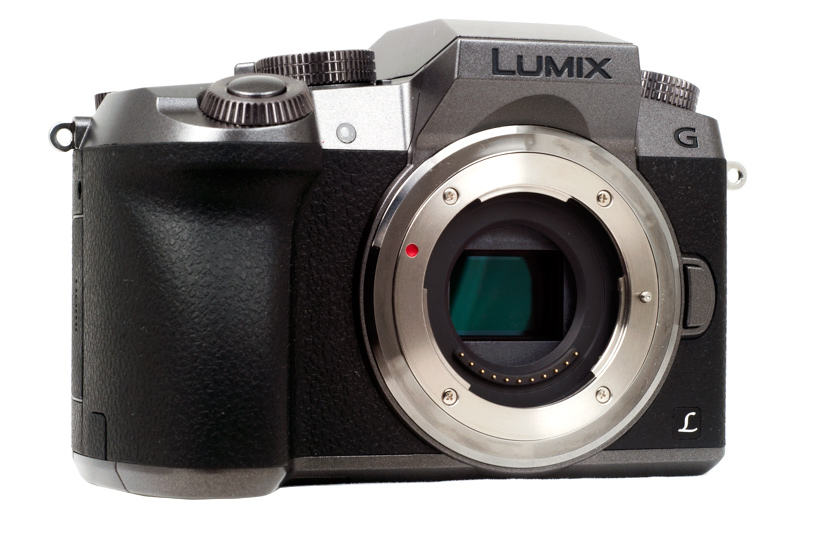
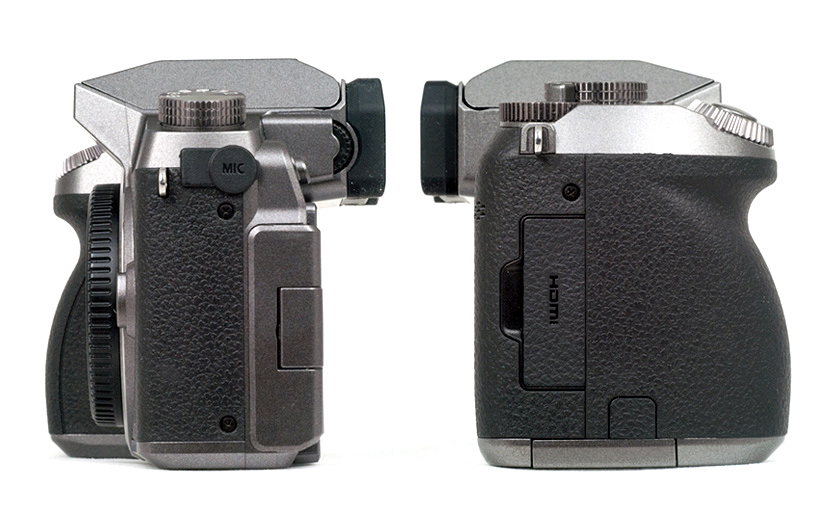
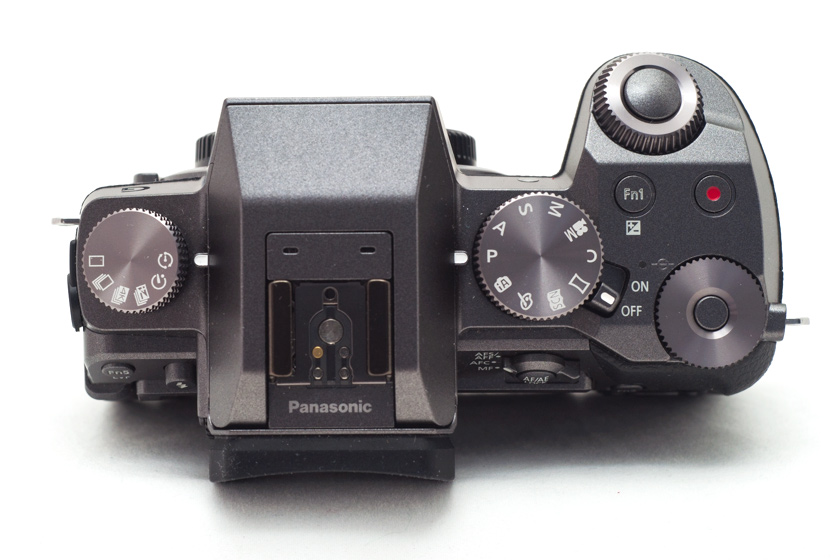
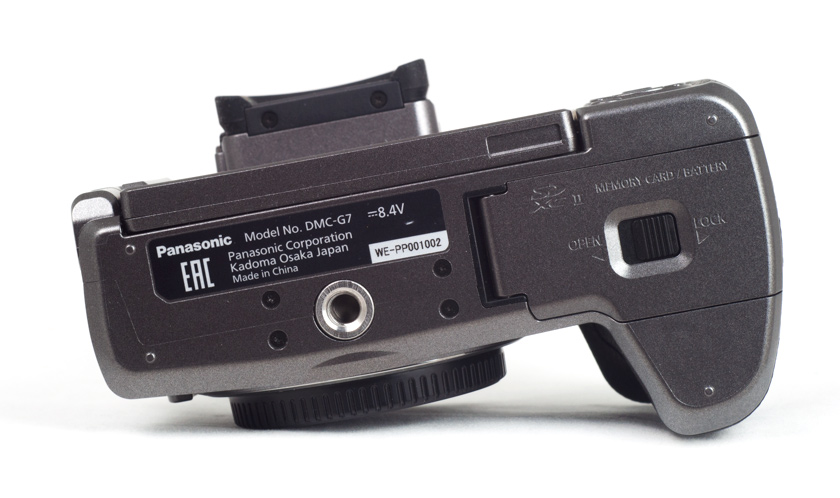
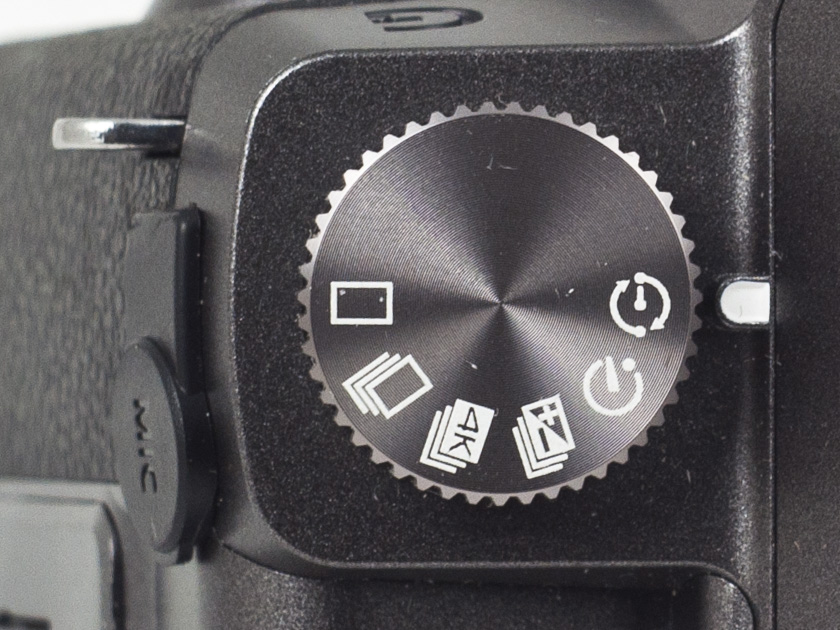
In terms of the number and placement of controls, the novelty is also more reminiscent of the GH series. The straight, not narrowed https://jiji.ng/cars/lexus-es-2012 upward shape of the body and slightly enlarged dimensions made it possible to place a second selector dial to the left of the viewfinder, which the G5 and G6 do not have. He is responsible for the drive modes, 4K-photo, as well as interval shooting, which in most cameras is hidden deep in the menu. At the same time, the controls on the right did not suffer, on the contrary, they are placed very well. Here, Panasonic engineers abandoned the lever, which allowed both adjusting one of the exposure parameters and controlling the zoom (with PZ series lenses), instead of it there is now a traditional dial in which the shutter button is inscribed. The second (rear) dial is recessed into the case flush with the top edge, and a customizable button on it can change the functionality of these two dials at the choice of the photographer. The discs rotate easily and are clearly fixed, the force is optimally selected.
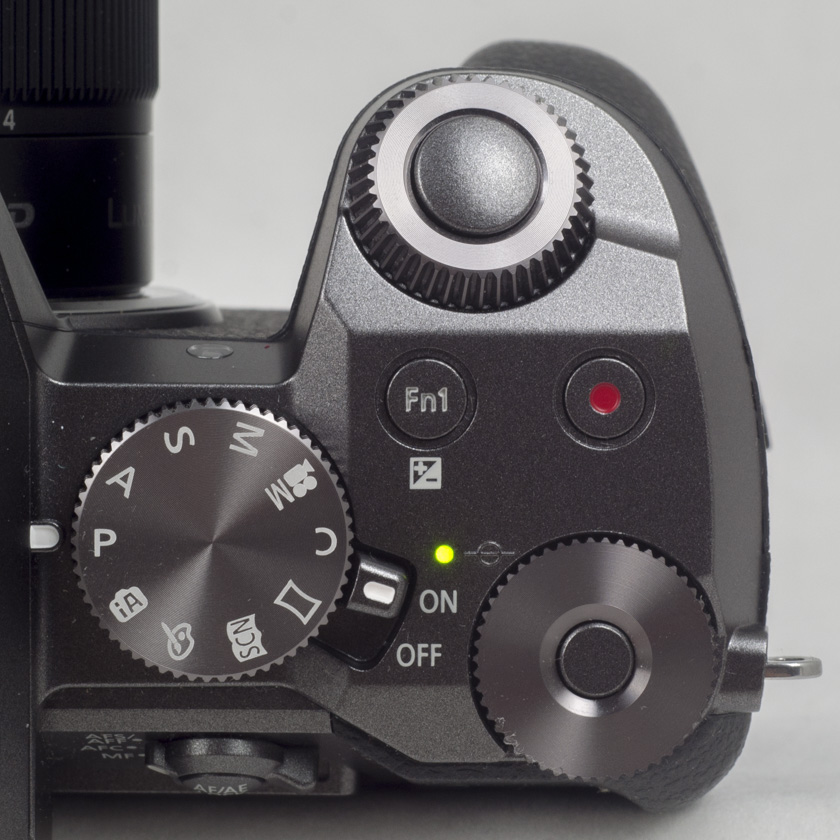
Another element that the fifth and sixth models didn’t have, the mechanical focus type switch with AE-L/AF-L button, is again borrowed from the flagship model. In general, there is a clear shift in the positioning of the camera towards professionals and advanced users, and another confirmation of this is the disappeared button for quickly turning on the auto mode. Instead, a programmable Fn1 appeared on the top panel (by default, exposure compensation). The block of buttons on the right on the rear panel also looks more like the GH4 than the G6. The quick menu button "moved" closer to the thumb, and the bottom button of the 5-position navigation pad, which was freed from the drag mode, became programmable. Thus, management has become more convenient and logical, without losing the flexibility of settings. Programmable buttons and a modifier button on the rear dial allow you to offload the 5-way key from shooting functions and switch it to direct focus area control mode (if for some reason touch control is not to your liking). There are also virtual Fn buttons in the tabs at the right edge of the display, but they are not as convenient to use as mechanical ones.
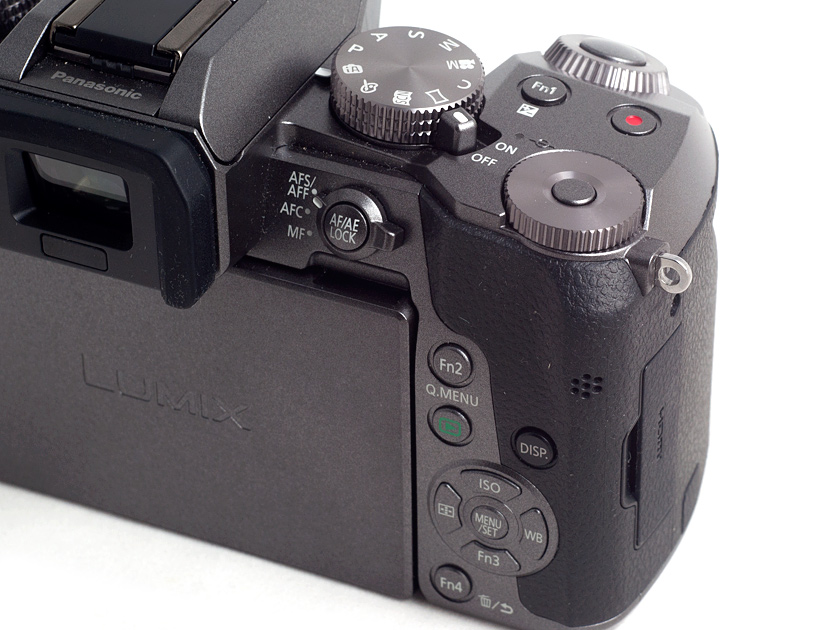
In general, for ergonomics and control, the G7 deserves the highest rating, except that I didn’t like the tactile sensations of the power switch – it’s too hard, and it’s convenient to turn it on (from myself) and turn it off (towards myself) – not very much. But this is already from the category of "nitpicking a perfectionist".